What’s new
Find out what’s happening with the GOV Reuse Library.
-
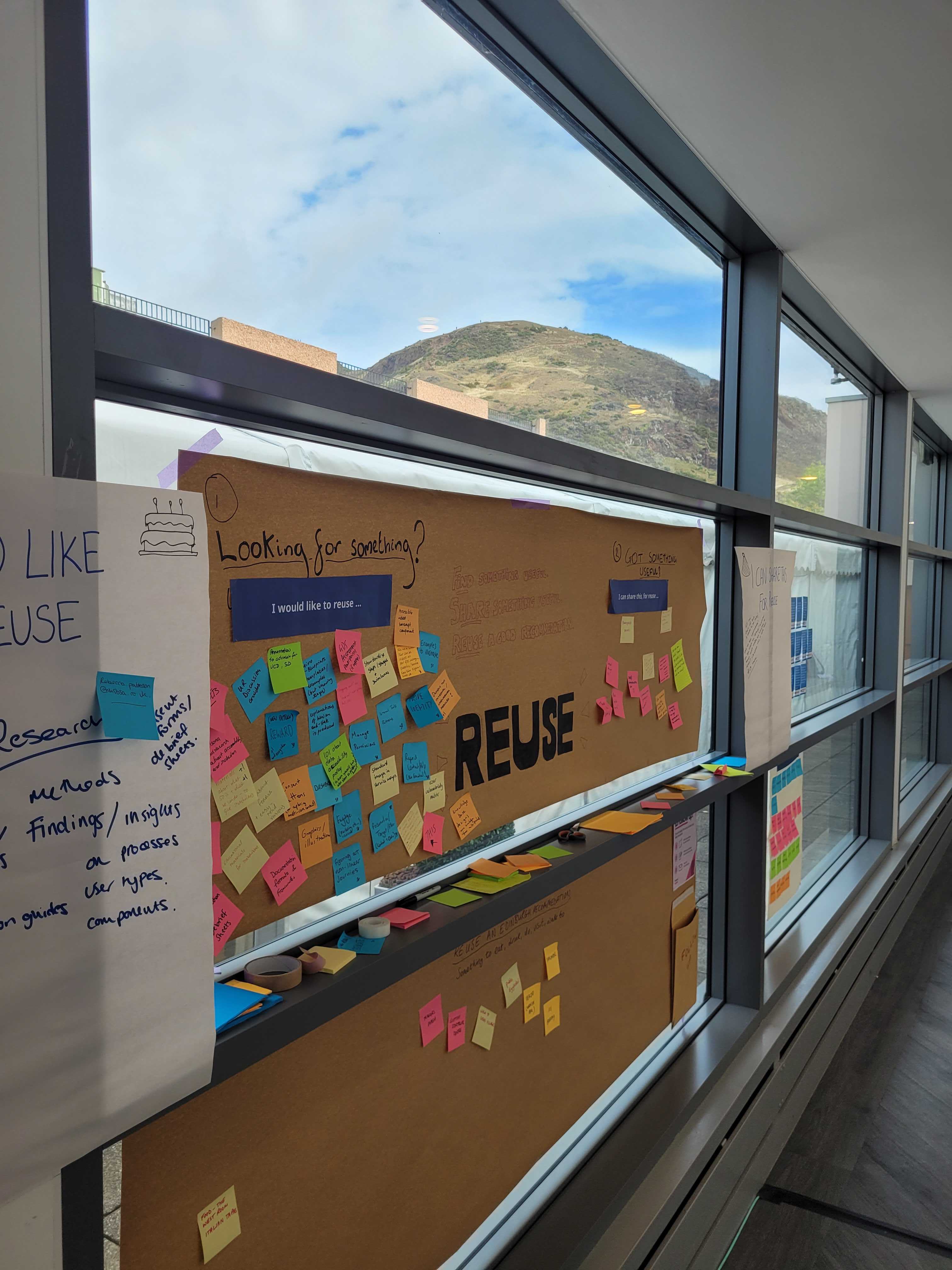
GOV Reuse Library turns one at SD in Gov
1 October 2026
A year after launching the GOV Reuse Library, we took it to SD in Gov in Edinburgh to share what we’ve learned so far about reuse across government.
Read more
-
GOV.UK Design System community resources and tools added
1 October 2026
We’ve added the GOV.UK Design System community resources and tools to the GOV Reuse Library, making community-contributed resources easier to find. Explore GOV.UK Design System community resources and tools .
-
AI Knowledge Hub added
1 October 2026
We’ve added the AI Knowledge Hub to the GOV Reuse Library, making guidance and resources about artificial intelligence easier to find. Explore the AI Knowledge Hub .
-
Artificial intelligence resources for the public sector added
1 October 2026
We’ve added the GOV.UK collection of artificial intelligence resources for the public sector to the GOV Reuse Library, making government AI guidance and resources easier to find. Explore artificial intelligence resources for the public sector .
-
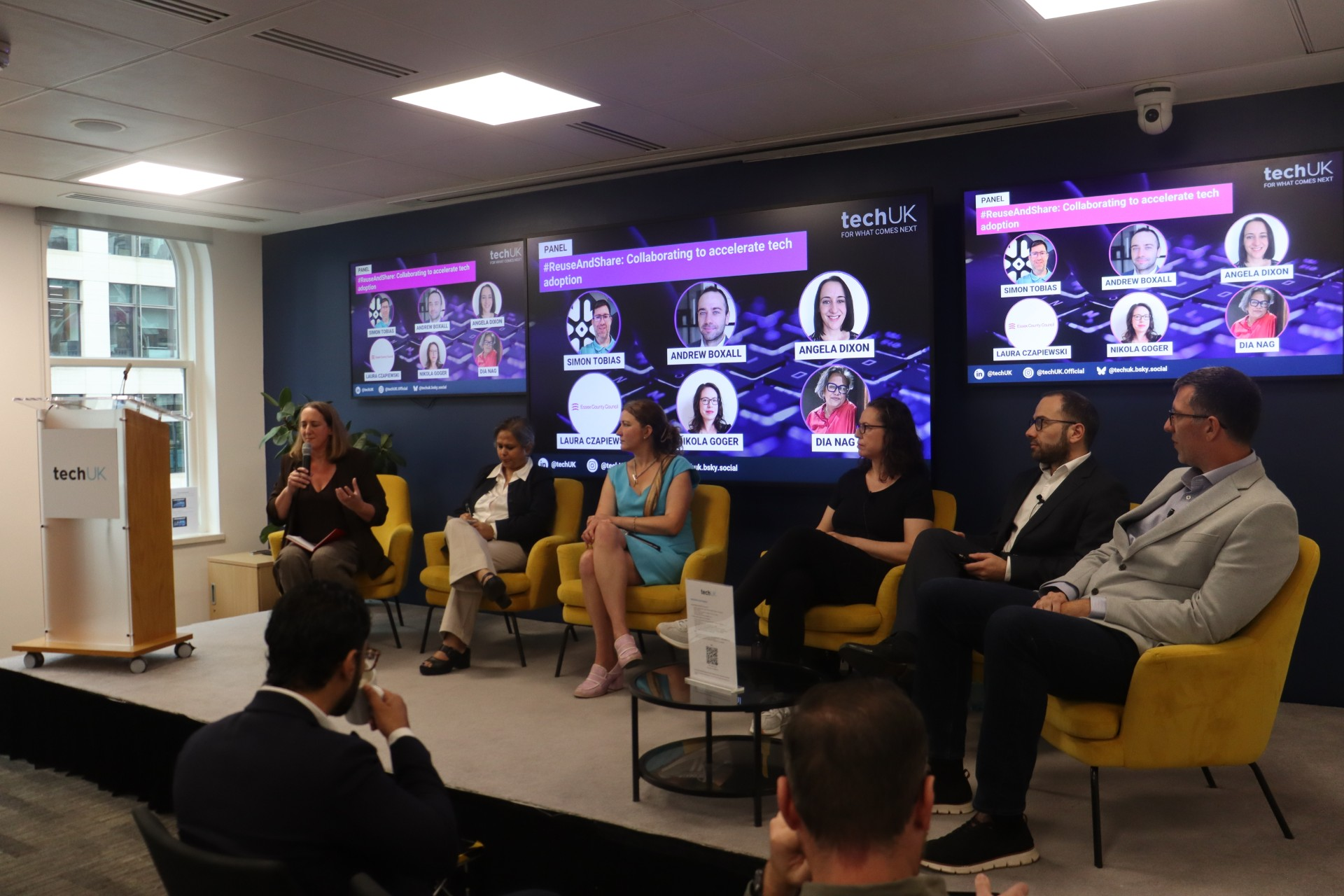
GOV Reuse Library joins the #ReuseAndShare conversation
18 September 2026
The GOV Reuse Library joined local government and technology leaders at techUK’s Local Public Services Innovation Summit to discuss how sharing and reusing existing work can help public sector teams avoid duplication. The #ReuseAndShare session brought together central government, local government and industry to explore how teams can collaborate, build on what already works and make technology easier to reuse across public services. View the Local Public Services Innovation Summit .
-
Department for Education Design System added
7 September 2026
We’ve added the Department for Education Design System to the GOV Reuse Library, making it easier to find and learn from components, patterns and guidance used by Department for Education teams. Explore the Department for Education Design System .
-
AI context file link fixed
7 September 2026
We’ve fixed the broken link to the AI context file for the GOV.UK Prototype Kit. View the AI context file .
-
Getting started with reuse
7 September 2026
Our new guide brings together useful resources for people designing, researching, developing or managing government services. It helps you start with work that already exists, find research and evidence, use artificial intelligence responsibly, make services accessible and inclusive, understand how service teams work, and find relevant government standards and guidance.
This is our first guide of this kind, and we’re researching and testing how useful this approach is. What we learn will help us understand how the GOV Reuse Library can better support people to discover relevant resources and know where to start. Explore the Getting started with reuse guide .